Why Ancient Temples Were Designed to Mirror the Human Body
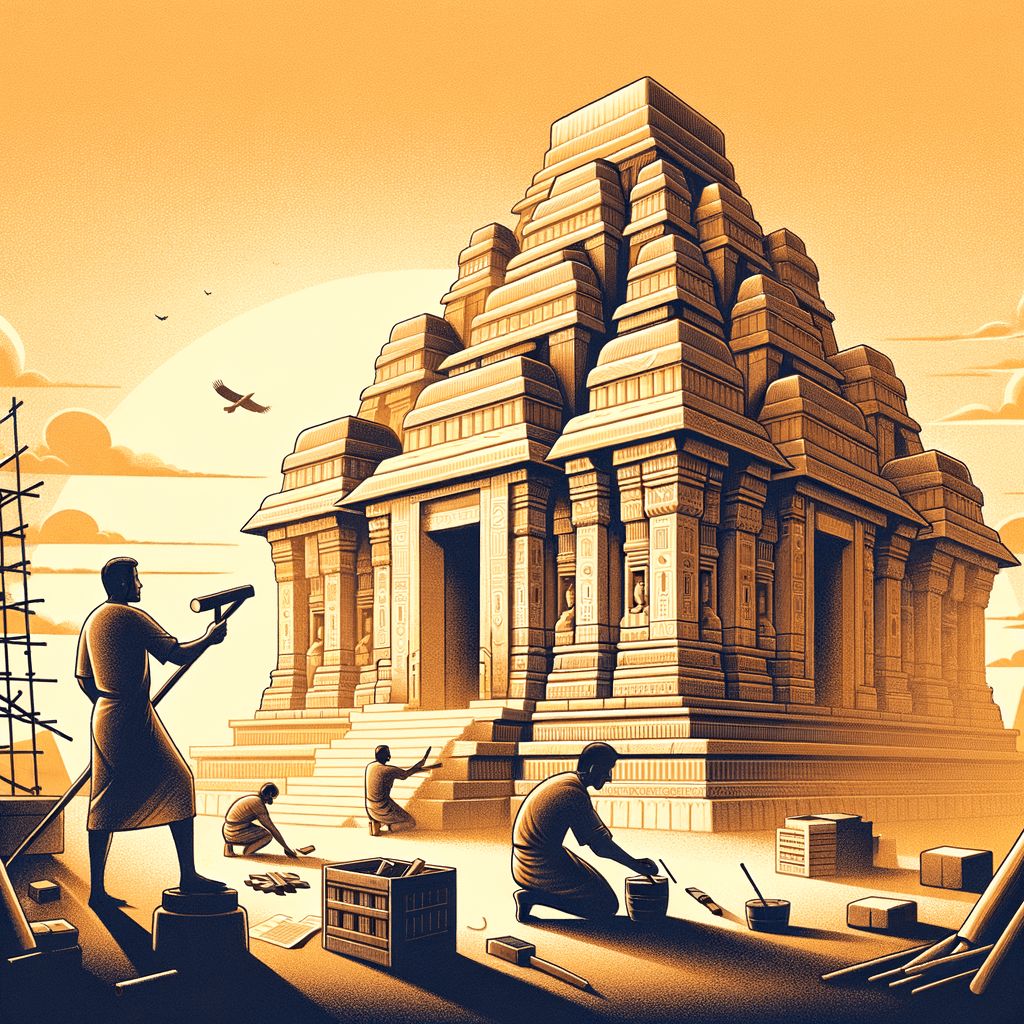
The Architecture of the Divine: Temples as Reflections of the Human Body
At first glance, the idea that ancient temples were designed to resemble the human body may seem poetic or symbolic. However, for the builders of these sacred spaces, it was a practical approach to architecture. They believed that entering a temple was akin to embarking on a journey within oneself.
The Body as a Sacred Vessel
The human body was revered as the most sacred entity. It housed consciousness, breath, emotions, and dreams. This belief led to the understanding that if a person is a living temple, then the physical temple must also reflect that sacredness. Otherwise, it would merely be an empty shell.
But this concept extended beyond philosophy. There were tangible psychological, spiritual, and cultural benefits associated with constructing temples in this manner.
Benefits of Body-Shaped Temples
- Self-Understanding: Entering a temple was like navigating a symbolic representation of one's own anatomy. Each room correlated to aspects of consciousness. The outer courts represented everyday thoughts, while the inner chambers delved into emotional depths and hidden motivations. The holiest chamber symbolized the mind, the sanctuary of the divine spark.
Walking through these spaces naturally encouraged self-awareness and reflection on one's inner landscape.
- Experiential Learning: Mystery schools focused on teaching through experience rather than lectures. A temple designed like a human body allowed individuals to undergo a transformative journey. Progressing from the outer parts to the “head” mirrored the transition from ordinary existence to higher consciousness.
In this way, architecture became a form of instruction, and the space itself acted as a guide.
- Cosmic Alignment: The ancients believed the universe operated on recognizable patterns, reflected within the human body. Constructing a temple with these proportions aligned human activities with cosmic order. Rituals performed within these sacred structures resonated more profoundly because they were enacted within a physical representation of universal design.
For them, this was not mere superstition; it was a way to engineer consciousness.
- Active Participation: Visitors did not merely observe the mysteries from a distance—they stepped into them. Crossing the temple's threshold meant entering a space that mirrored the human microcosm. Even without understanding the underlying symbolism, individuals felt the changes in light, sound, and space.
The architecture itself imparted a sense of reverence.
- Unity of Sacredness: Perhaps the most significant benefit was its simplicity. When a temple mirrored the human body, it sent a clear message: the divine is not distant or confined to stone structures. It cannot be monopolized by priests or institutions.
The divine resides within each person.
The temple served merely as a reminder.
When individuals exited these sacred spaces, they carried with them the realization that the same structure, the same chambers, and the same light that filled the sanctuary also existed within them.
Conclusion
This kind of architecture does more than reshape cities; it transforms individuals. The connection between the temple and the human body serves as a powerful reminder of our inherent sacredness, encouraging a deeper understanding of both ourselves and the universe.