The Ledger Abbot of Greyhall
The Hidden Dangers of Leadership
Leadership can take many forms, but not all are safe. Surprisingly, the most harmful leaders are often those who seem benevolent. These almost-good leaders can lead their followers toward decline while hiding behind a mask of kindness.
Understanding the Almost-Good Leader
Deceptive Kindness: These leaders may show compassion, which can mislead followers into thinking they are effective leaders.
Polite Collapse: They might avoid outright cruelty but lack the skills to prevent a decline in morale and productivity.
Paperwork Over Purpose: In places like Greyhall Monastery, they focus on bureaucratic procedures rather than meaningful actions, sacrificing genuine purpose for unnecessary rituals.
While novices at Greyhall viewed the monastery as a sanctuary, the elders recognized it as a bureaucratic system. The operation became overly reliant on paperwork.
The Abbot’s Commitment to Procedure
The Abbot of Greyhall was not cruel, which contributed to the problem.
He avoided harshness in community interactions and did not show favoritism. Occasionally, he even expressed concern for a novice's well-being after a long shift.
These fleeting moments of kindness can create misplaced trust. Novices wanted to believe in his sincerity, interpreting his anxious demeanor as wisdom.
Yet, they began to sense deeper, unresolved issues.
The Stale Atmosphere
The environment around the Abbot was subtly uncomfortable.
A stale air hung around, like a sealed room where everyone pretended that shallow breathing was normal. When the Abbot entered, the atmosphere became stagnant, reflecting the weight of unaddressed problems.
The Ledger: A False Idol
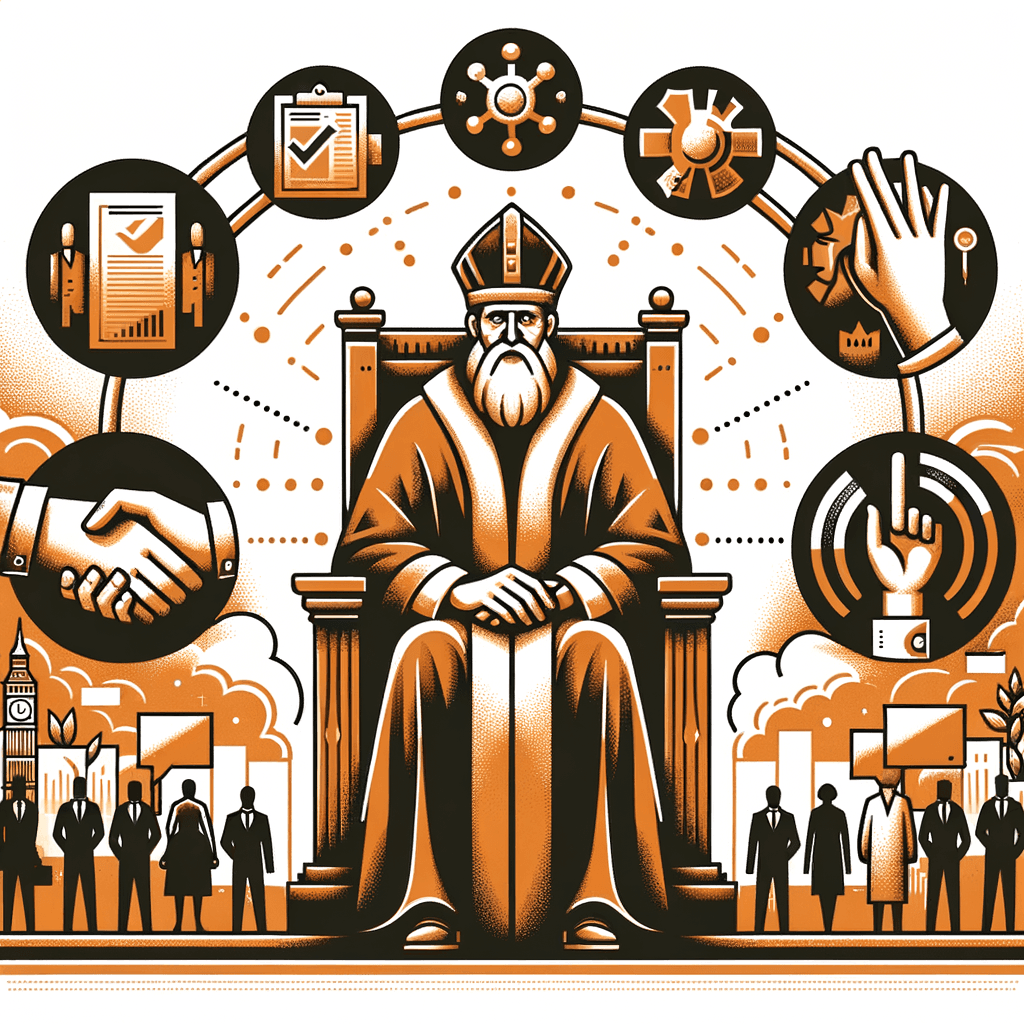
The Abbot's true devotion lay with the Ledger, which highlighted his obsession with documentation.
The Ledger represented:
- Signatures confirming ritual completion
- Scrolls verifying past reviews
- An inspection process that polished only what was visible
- Urgent tasks that lacked true necessity
- Endless scrutiny of formatting and phrasing
Instead of leading, the Abbot created an illusion of leadership. He transformed minor tasks into major initiatives, focusing on what was measurable rather than what truly mattered.
The Ascension Rite: A Flawed System
Traditionally, promotions at Greyhall required passing several Trials, including:
- A doctrine exam
- A craft exam
- A tally of years served without failure
- Additional commendations
However, this system was flawed. Mentors often graded novices too leniently to avoid being labeled harsh.
When the Upper Cloister revised the system, they shifted power upward without improving the evaluation process. They replaced merit marks with blessings from elders, creating a new type of monk known as the Ink Climber.
These new monks were adept at being promotable, but not necessarily skilled in their work.
The Consequences of Ignored Issues
Significant problems simmered beneath the surface.
- A novice broke under pressure.
- A safety concern nearly escalated into a crisis.
- Essential processes suffered from inadequate training.
Fatigue built up silently, like sediment in a river, until it erupted into a flood of issues.
The Abbot remained oblivious, fixated instead on the urgent need for signatures. When a novice pointed out the prioritization of trivial matters over significant problems, the Abbot laughed it off, returning to procedural discussions.
Greyhall was lacking true leadership; it had an automaton with a quill.
The Upper Cloister’s Blind Spot
Above Greyhall, the Upper Cloister valued the clarity of the Ledger.
On paper, the Abbot appeared flawless:
- Forms were meticulously completed
- Rituals were carried out on schedule
- Records were kept impeccably
The Upper Cloister praised him for his discipline and attention to detail, unaware of the reality unfolding below. Novices, however, referred to him as the Ledger Abbot.
When a leader prioritizes documentation over people, ink becomes the true authority. This obsession consumes time and energy, causing novices to focus on paperwork rather than meaningful tasks.
The Upper Cloister failed to measure the most crucial aspect of leadership: Trust.
A Shift in Trust
As the Abbot became more detached, novices began to trust someone else: a Prior in the lower halls.
Though not officially in charge, this individual understood what truly mattered and could prioritize effectively. Greyhall became divided into two factions:
- The Ledger Abbot maintained the illusion of order.
- The Shadow Prior addressed the realities of the situation.
Survival became a series of small sacrifices, each too insignificant to notice, leading to a gradual decline in morale and joy.
The Mirror Chapel: A Moment of Clarity
In a moment of honesty, a novice confronted the Abbot, asserting that he served the Ledger rather than the monastery.
The Abbot appeared bewildered, unable to grasp the truth of the words. Yet, the Mirror Chapel reflected the spirit of those who entered, revealing the real monster: the system that supported him.
This system rewarded superficial metrics while punishing nuanced understanding, fostering a culture of anxiety over genuine priorities.
The Counter-Spell
Recognizing the situation, novices shifted their focus from fixing the Abbot to protecting the monastery. They devised a simple yet effective counter-spell:
- Clearly articulate true priorities
- Reject false urgency
- Route requests through the Shadow Prior for proper triage
- Document reality for their own understanding
- Preserve what sustains them: rest, learning, and camaraderie
The Ledger Abbot remained calm and efficient, but the novices gained a new perspective.
Understanding became their strength.
The first step toward breaking a spell is acknowledging that you are under one.